
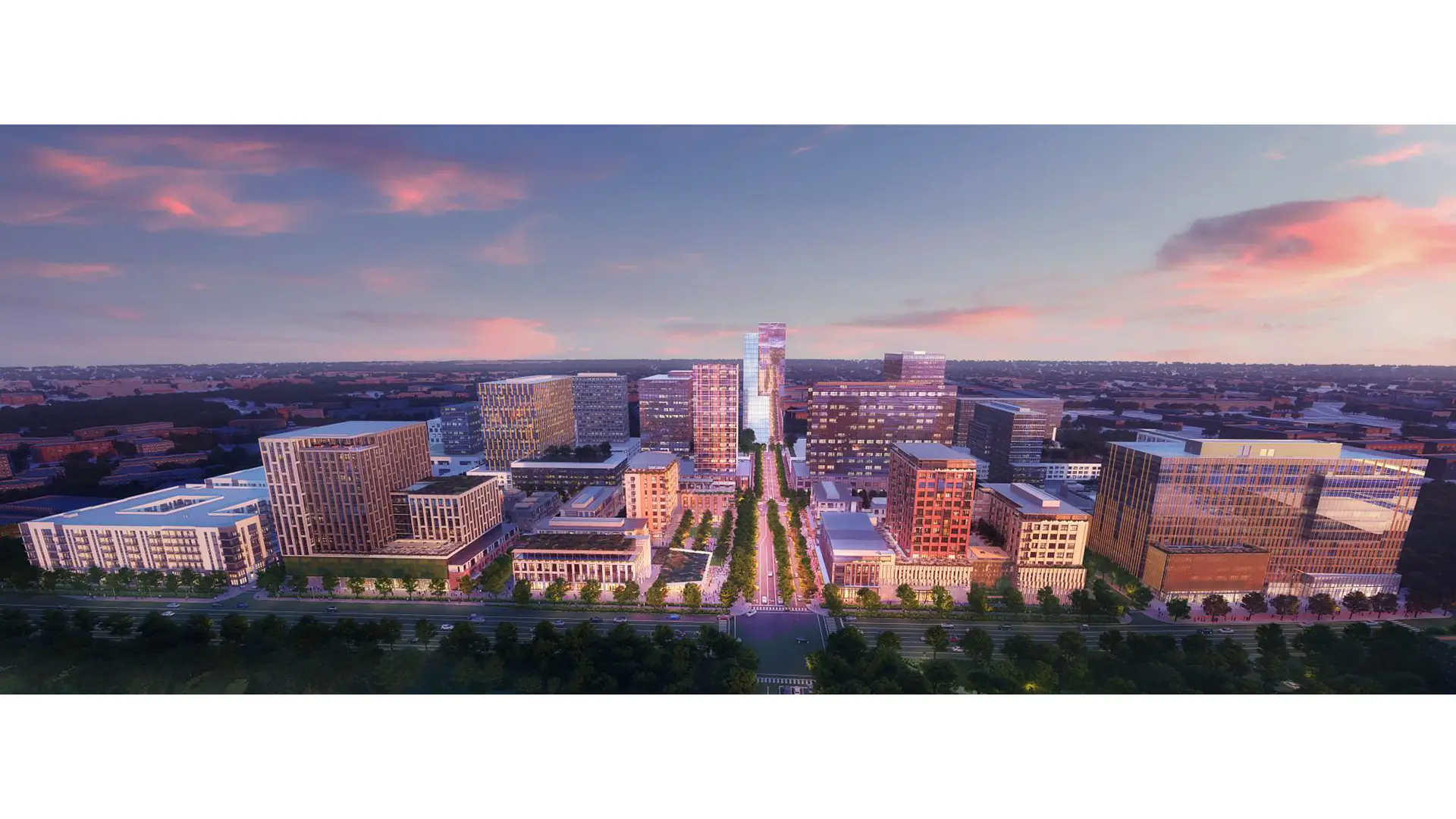
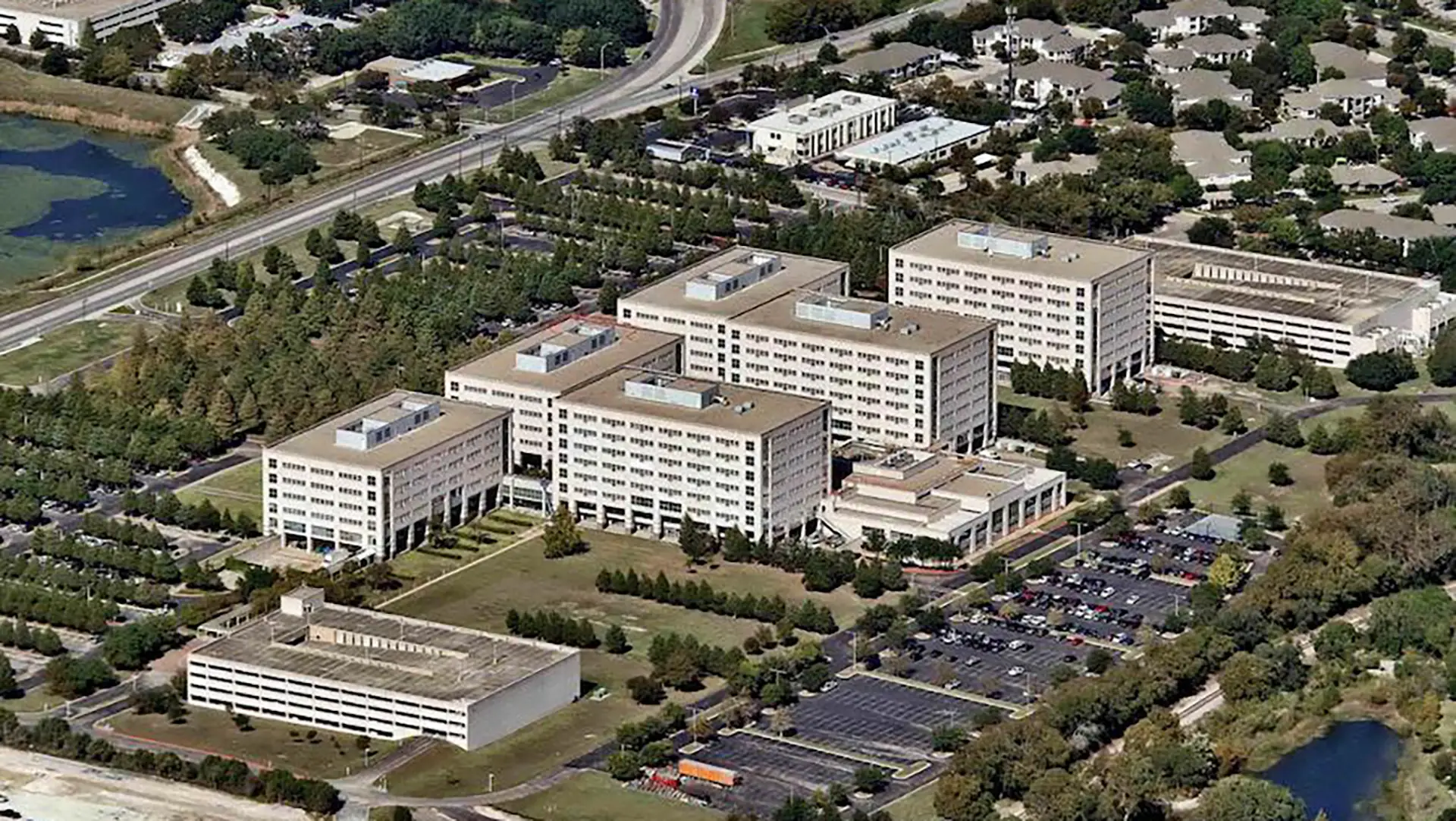
Previously a single-use, auto-centric office complex, Uptown ATX is a 66-acre transformation resulting in a transit-oriented, mixed-use neighborhood that further bolsters the burgeoning technology hub of Northwest Austin. Situated between the Charles Schwab campus and The Domain, the Uptown ATX master plan features 3.2 million square feet of workspace, 2.9 million square feet of multi-family units, 600,000 square feet of retail and hospitality, and 11 acres of public open space. The development includes a new CapMetro Rail station, providing a critical mass transit connection to downtown Austin and the larger region. SWA/Balsley, supported by Austin-based Coleman & Associates, collaborated with Brandywine Realty Trust and a multidisciplinary team of designers, planners, and engineers on the public realm of Uptown ATX.
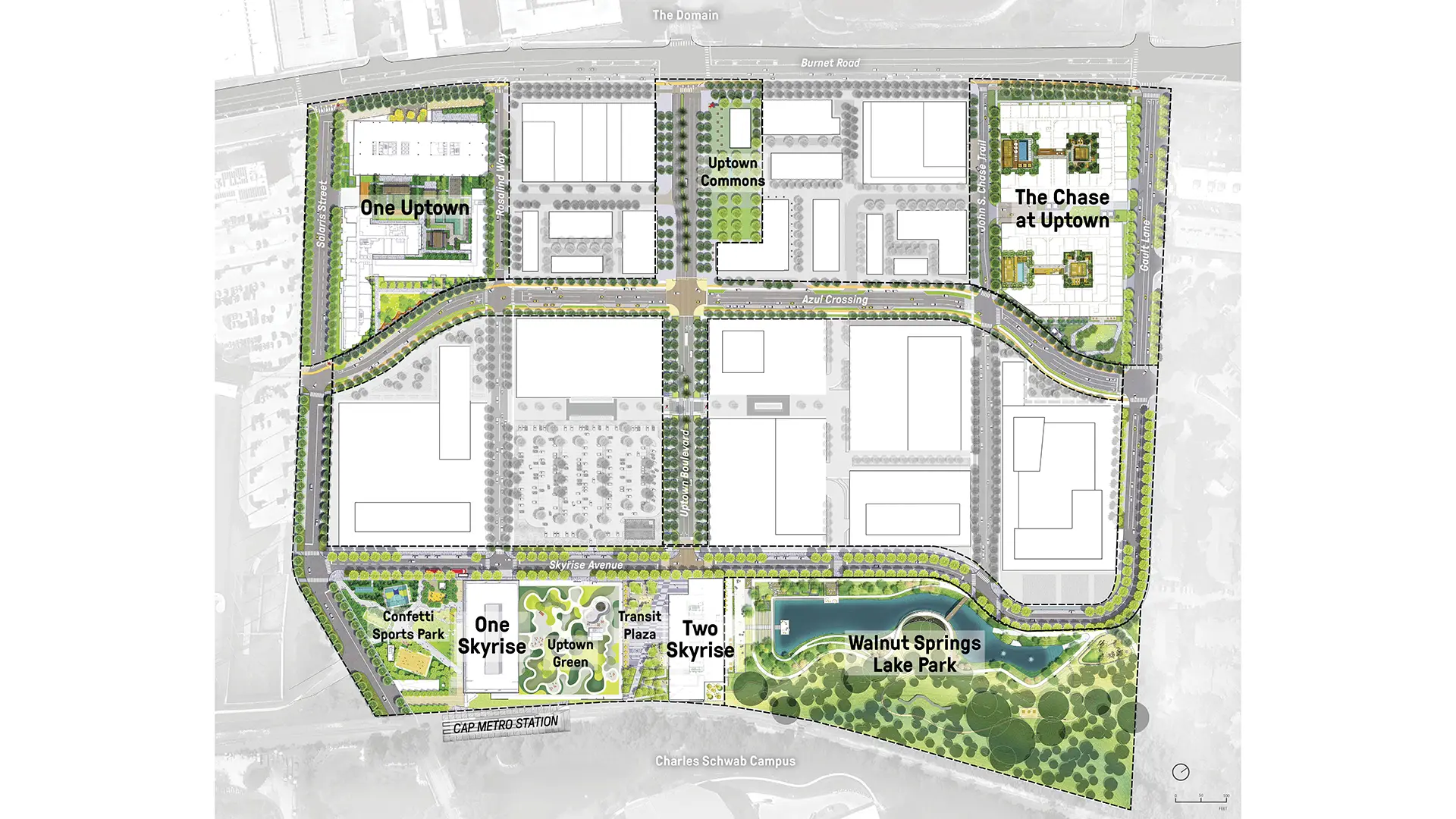
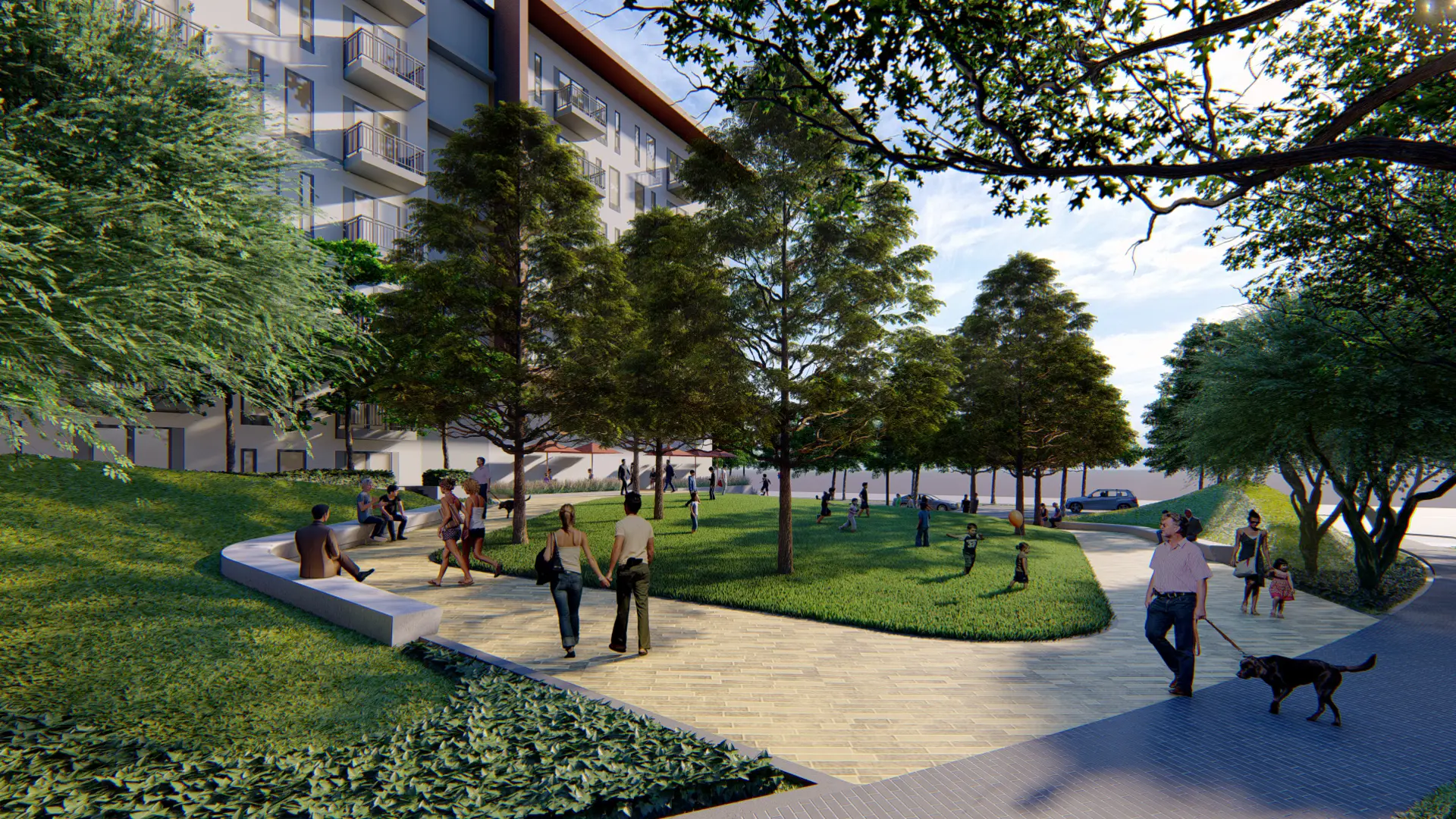
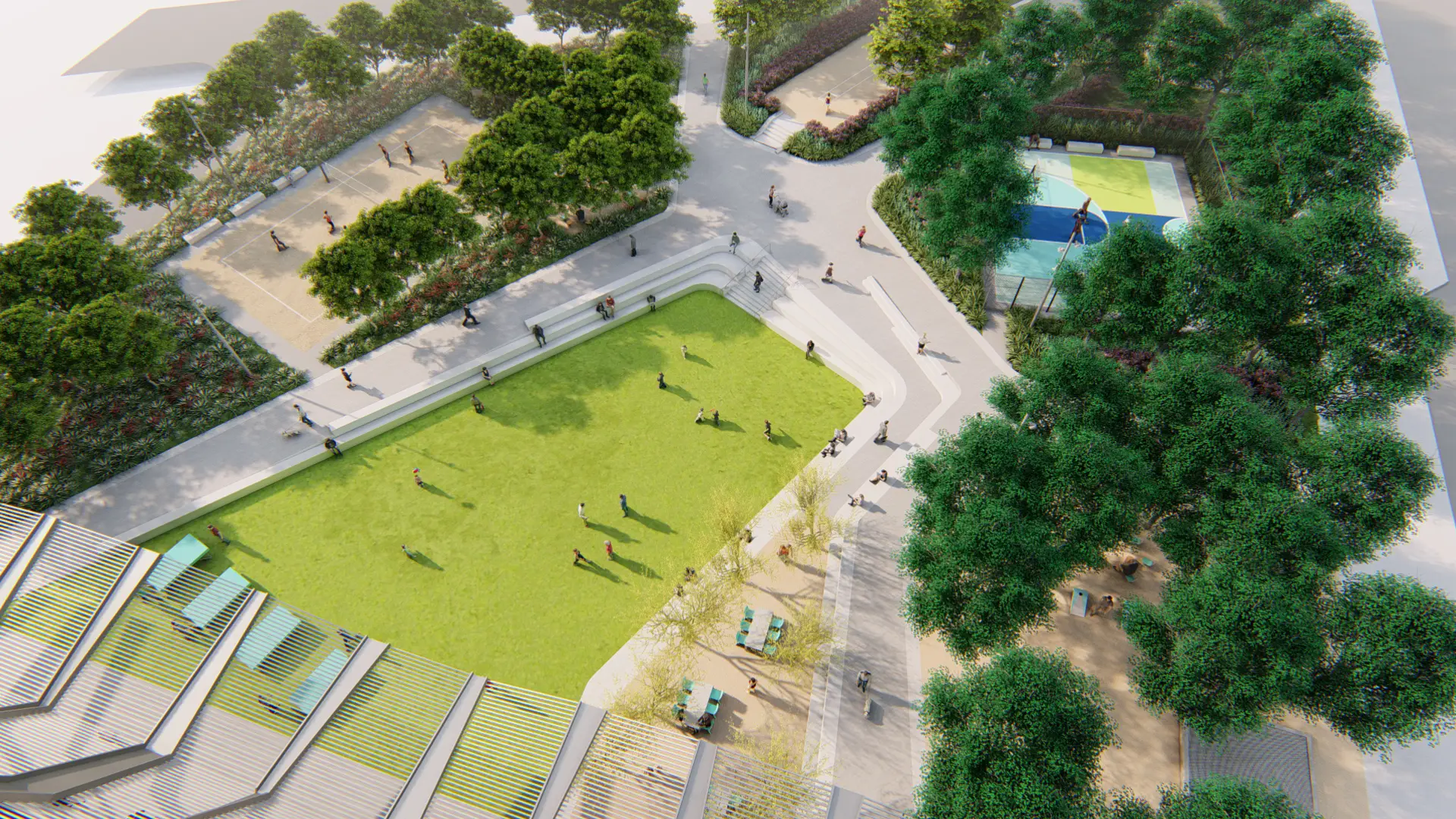
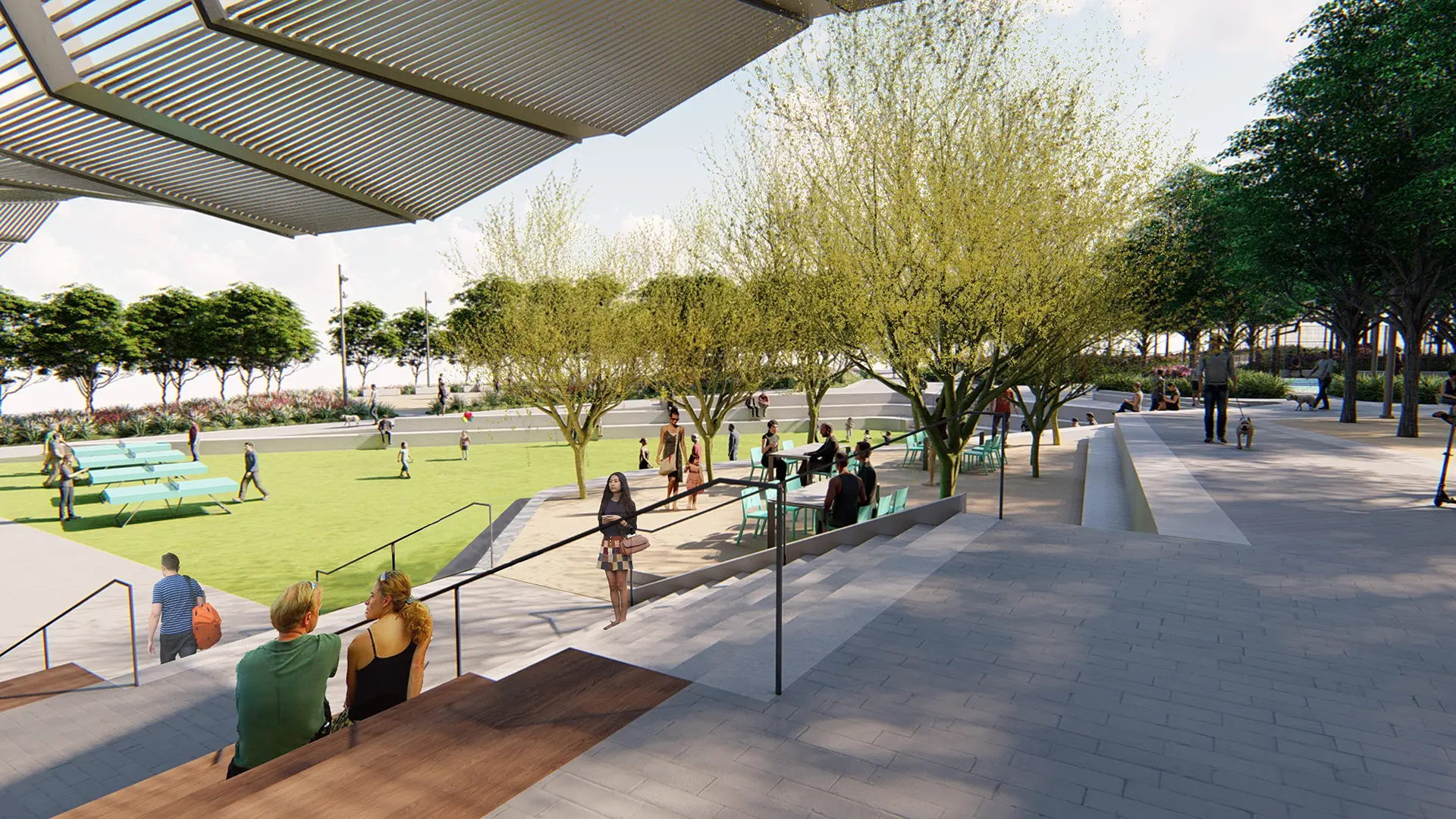
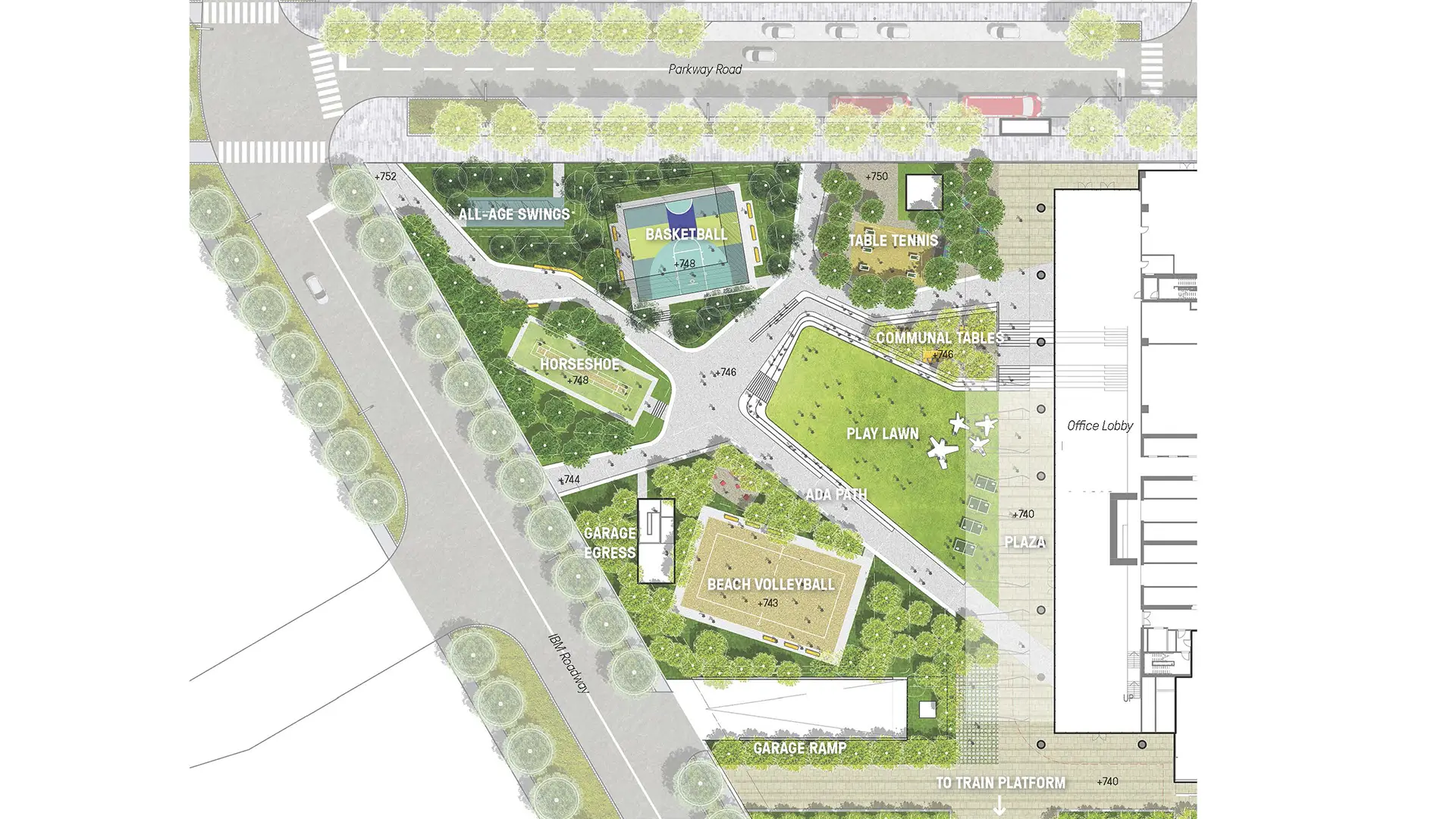
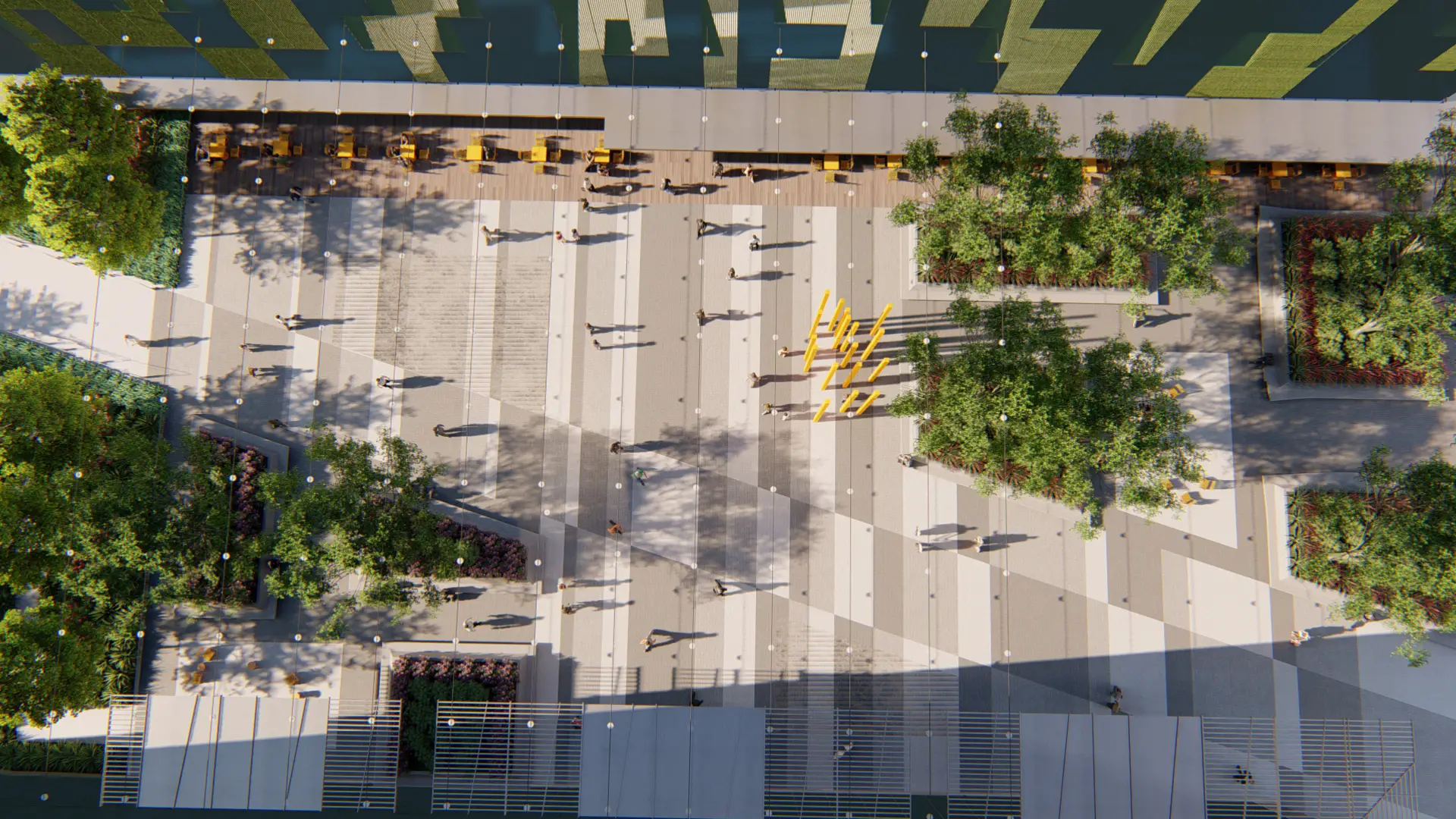
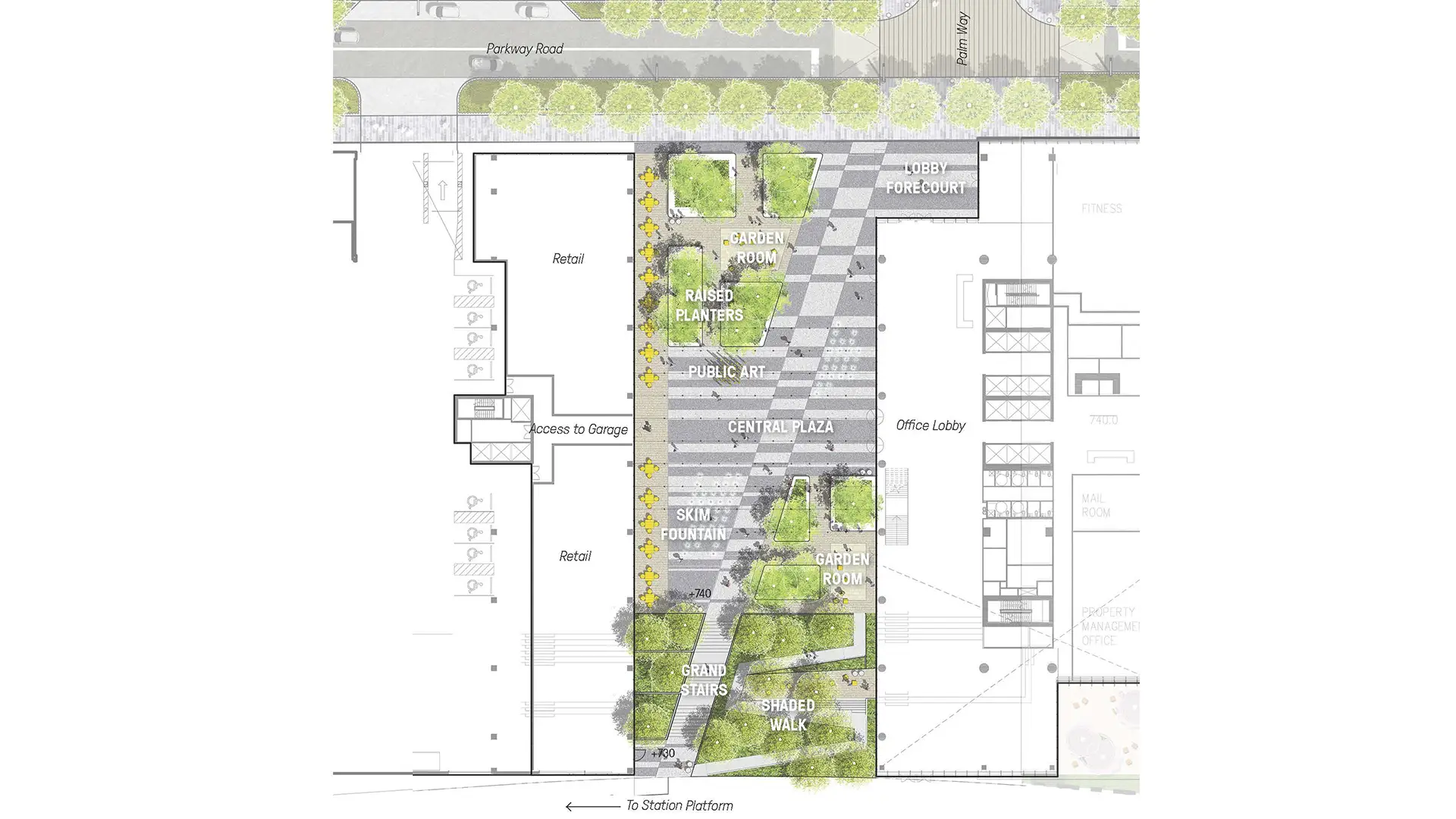
SWA/Balsley’s work at Uptown ATX includes the public realm and amenity terraces at One Uptown, The Chase at Uptown, Uptown Boulevard, Uptown Commons, One and Two Skyrise, and Walnut Springs Lake Park. The densest site in the neighborhood, the Skyrise block includes a collection of exceptional social spaces and recreational amenities, notably a 1.4-acre sports park and a multipurpose lawn. A transit plaza facilitates the diagonal movement of commuters and shoppers between the new train station and the neighborhood’s primary retail corridor and will host public events such as markets, festivals, and performances.
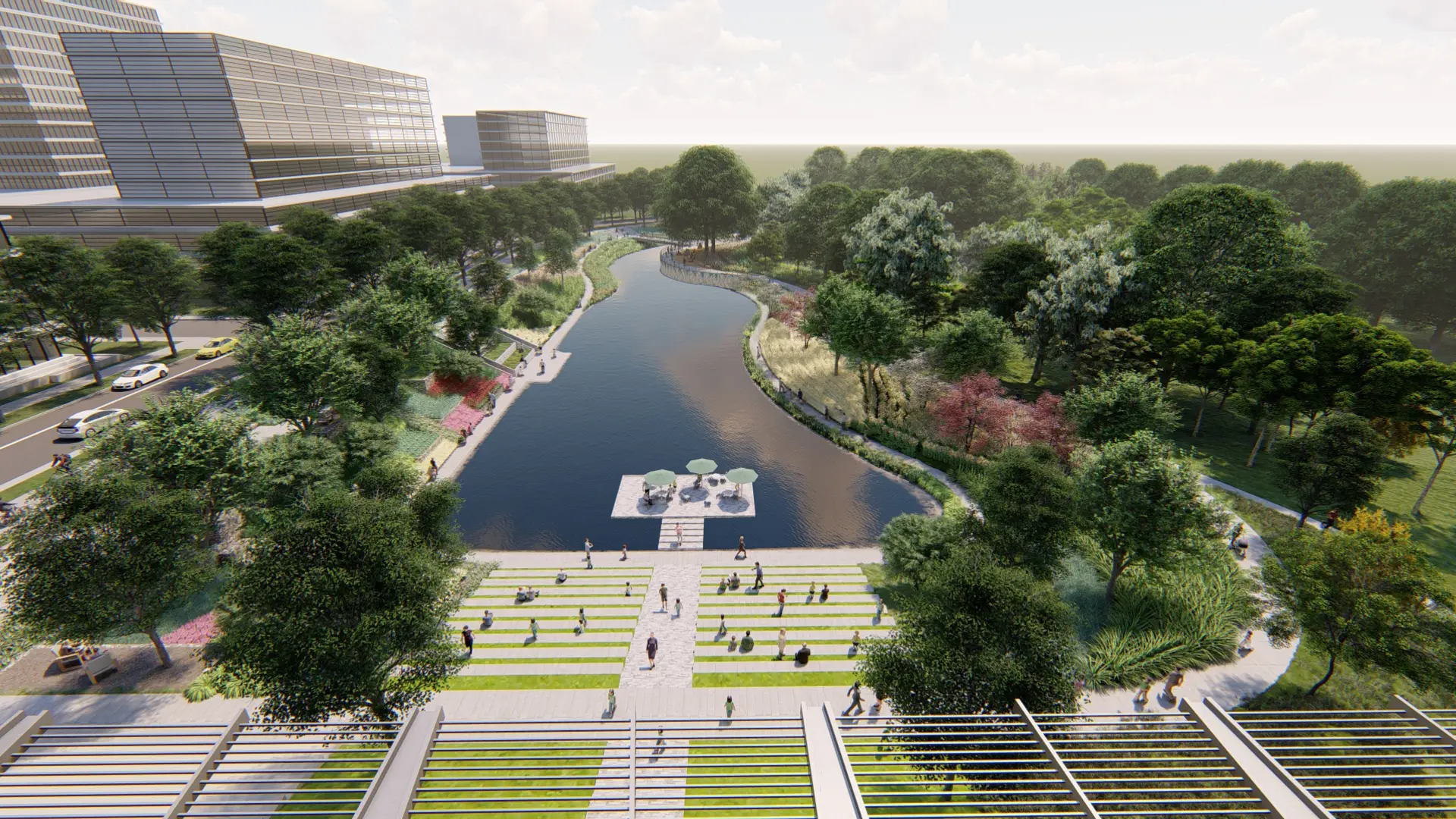
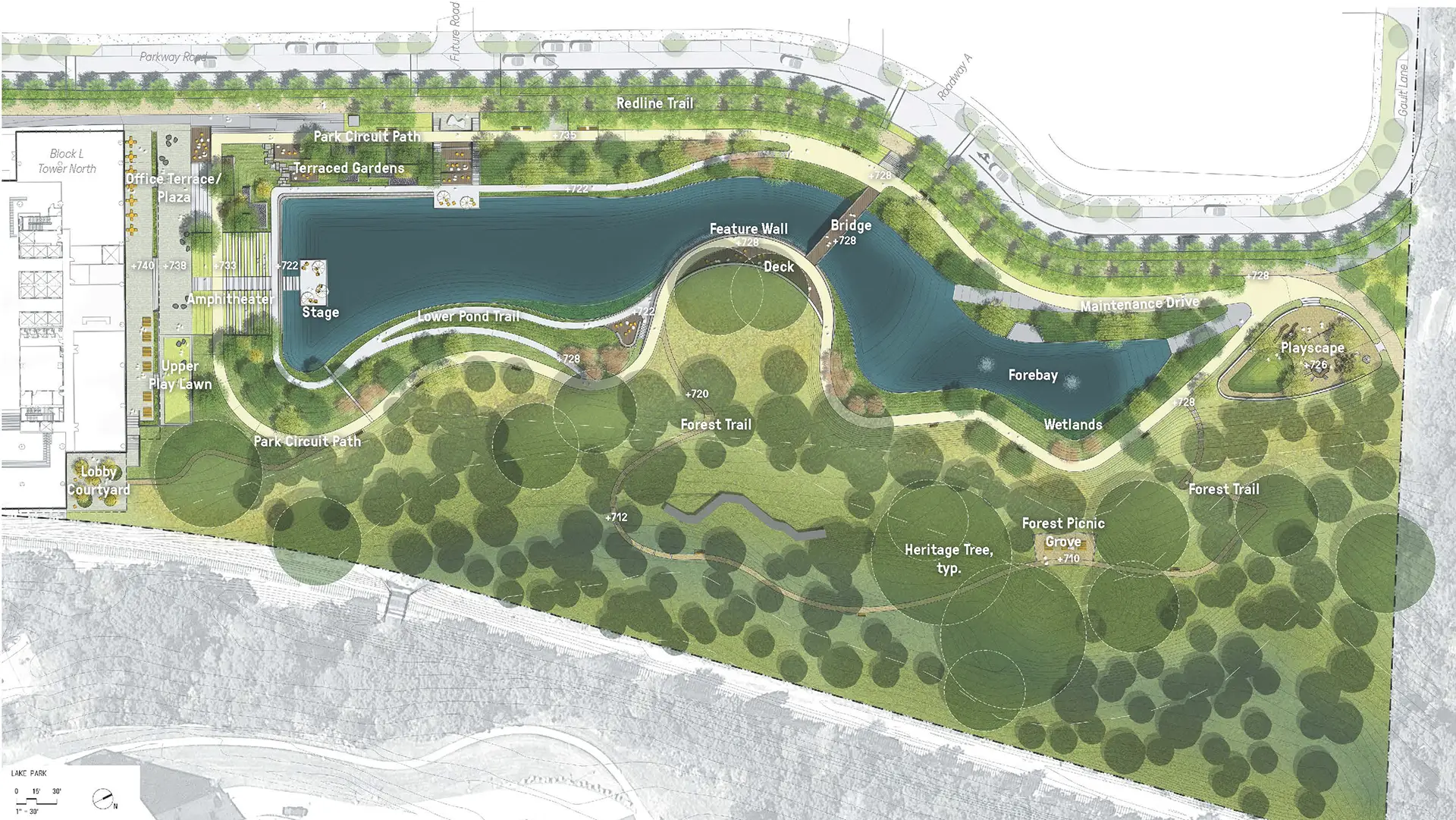
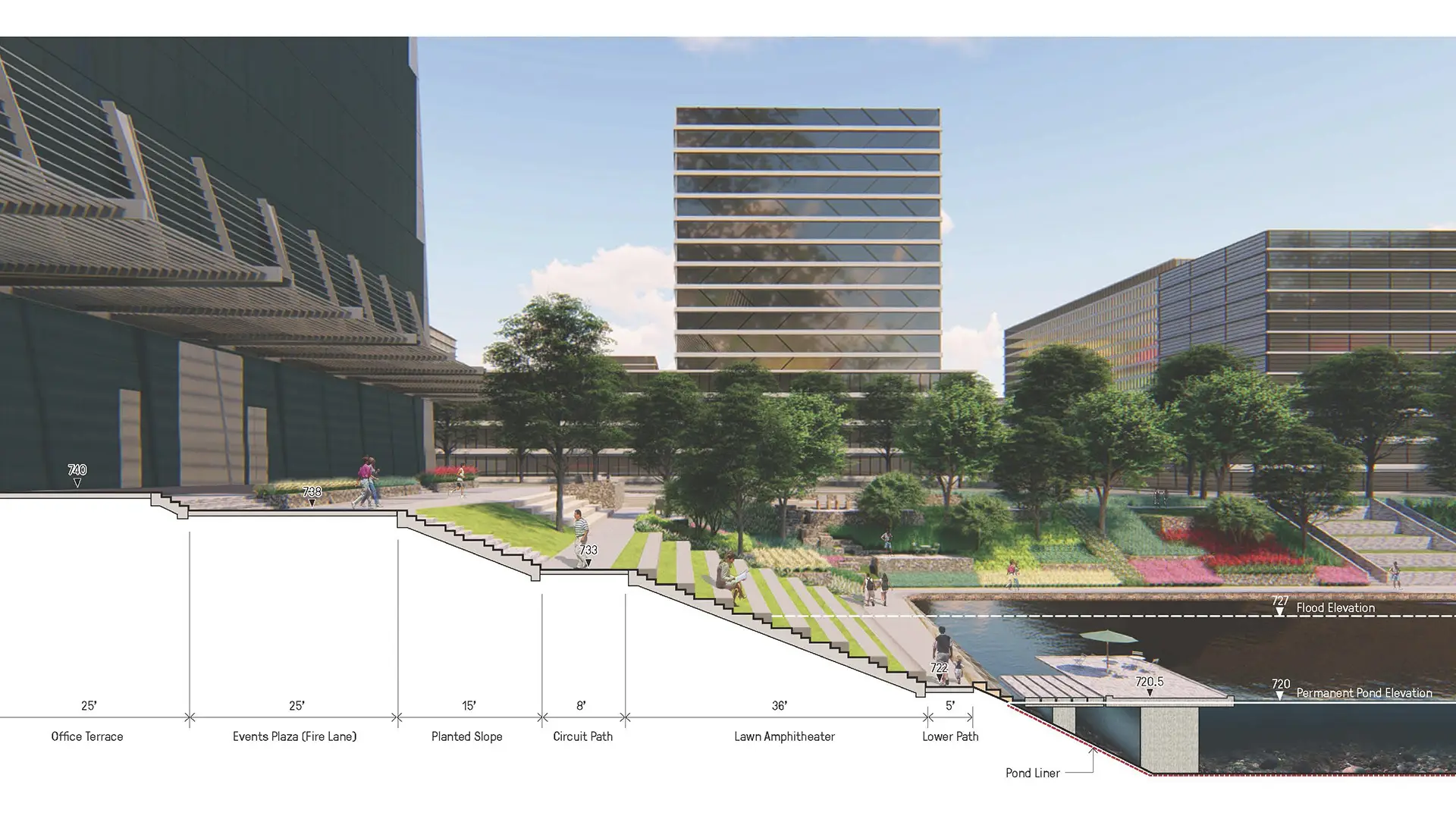
Walnut Springs Lake Park spans nearly seven acres and is a signature open space of the neighborhood. Its central body of water functions as a combination detention/retention pond. Shaped by a complex set of regulatory constraints, the pond incorporates resilient features that can withstand periodic flooding during storm events. While most of the primary program spaces are situated above the flood plain, park users are invited to a lower path in times without flooding. The significant grade change is negotiated by a combination of steps, amphitheater seating, informal “scrambles” of monolithic limestone blocks, and universally accessible pathways. The pathways circumnavigating the pond link with a regional trail system at the site’s north end, providing Uptown ATX residents and workers access to nearly 23 miles of uninterrupted recreational trails.
Collaborators:
Coleman & Associates – Local Landscape Architect
Page Southerland Page – Architect
GFF – Architect
Kimley Horn – Civil Engineering
Walter P. Moore – Structural Engineering
Peggy Rockefeller Plaza
Stretching along nine blocks of New York City’s Upper East Side, Rockefeller University is a world-renowned medical research institution with an impressive roster of Nobel Prize winners — and beautiful river views. Once a harmonious urban oasis of 19th century buildings and 20th century modernism stitched together by a renowned Dan Kiley landscape, the c...
Innovation QNS
In the heart of Astoria, Queens, Innovation QNS transforms an underperforming light industrial district into a mixed-use neighborhood. Envisioned as a “15-Minute City,” the development blends affordable and market-rate housing, office space, hotels, retail, entertainment, and community facilities, served by multiple subway and bus lines providing access to Mid...
Capitol Plaza
Capitol Plaza is located in the lively neighborhood of Chelsea Heights amid weekend antiques markets, art galleries, hip hop stores, design studios, residential towers, and Flower District shops. This narrow swath cuts through a block just east of Sixth Avenue and is one of dozens throughout the densest portions of Manhattan that bring a moment of respite and ...
Westshore Park
Complementing the Inner Harbor’s world-famous promenade, Westshore Park has come to be known as the city’s living room on the harbor. The park is strategically located on the innermost shore of the harbor and sandwiched between the new Baltimore Visitor Center and the Maryland Science Center. Having rediscovered its maritime heritage and opened it to the world...